Hey there! So, in this super fast-changing world of renewable energy, the Hydrogen Inverter has really stepped up as a game-changer. It’s all about making energy conversion and storage more efficient, right? In this guide, we're gonna take a close look at some of the cool features of different hydrogen inverters from around the globe. There are so many innovative designs and must-have functionalities out there! Here at Bangzhao Electric Co., Ltd., we've spent the last ten years working hard to provide the best system solutions. We’re talking about lithium battery storage systems, bi-directional energy storage power supplies, and Pure Sine Wave Inverters. Our motto is all about precision and quality—"精工细造,中国制造,服务世界"—which pretty much says we’re here to tackle the world's energy needs with top-notch tech. As we dive deeper into the world of hydrogen inverters, we really want to make sure you have all the info you need to make smart choices and get ready for a sustainable energy future. Let’s jump in!
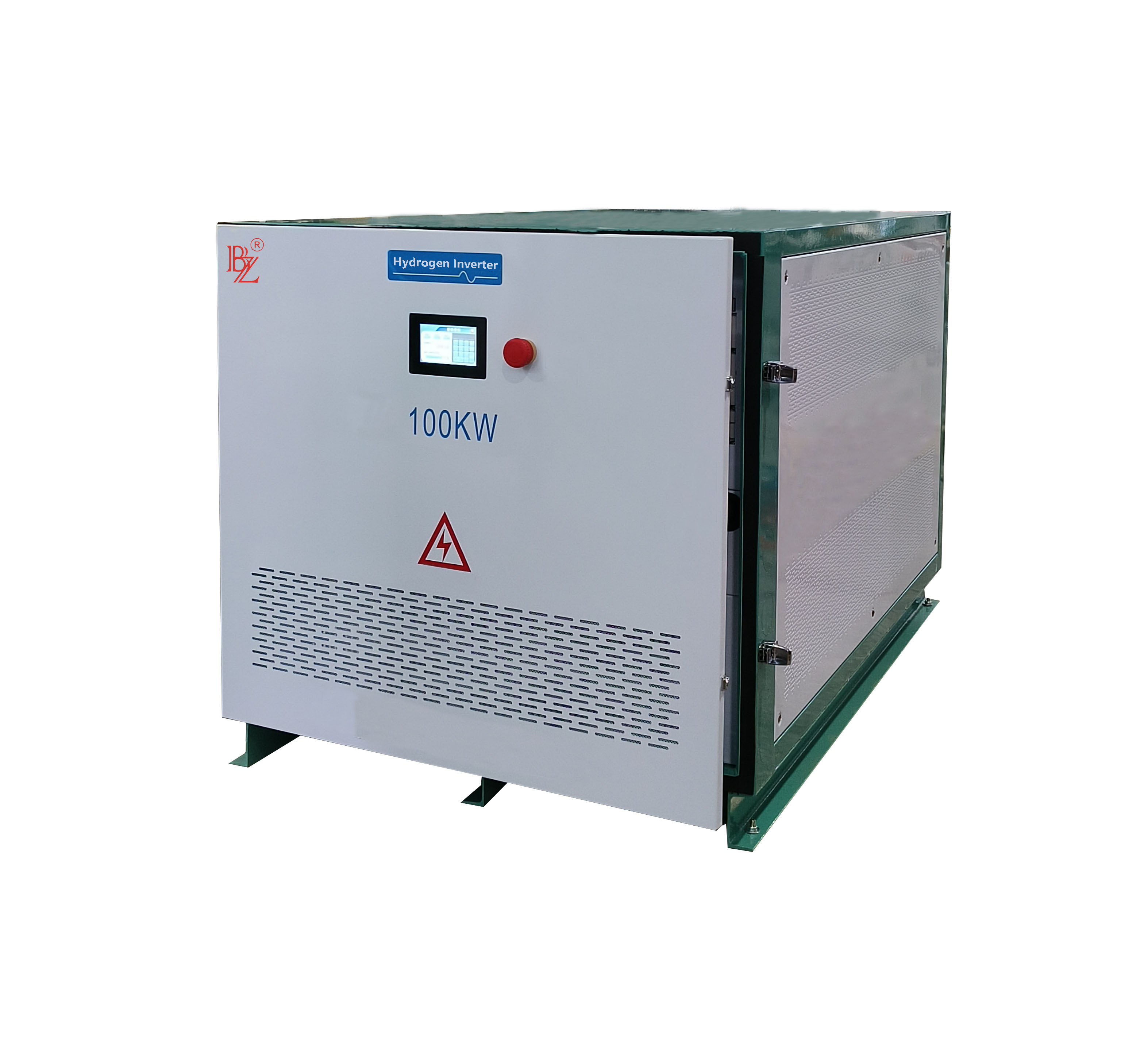
Key Considerations for Selecting Hydrogen Inverters for Global Markets
Choosing hydrogen inverters for markets around the world? There are a few key points to keep in mind. First off, you really want them to be efficient and compatible with whatever energy systems are already in place. Plus, they need to adapt to different environmental conditions, too. I came across a report from the International Renewable Energy Agency (IRENA) that forecasts hydrogen production with renewable energy is gonna hit 60 million tons a year by 2040. That's a pretty significant jump in demand for hydrogen inverters that work well.
So, as a buyer, you’ve gotta double-check that the inverters you’re looking at can handle the unique quirks of hydrogen energy. It's got that whole flammability thing going on and demands super high conversion rates, you know?
On top of that, let’s not overlook durability and reliability. This is especially important in places with wild temperature swings. If you’re in a region that sees some serious weather extremes, your inverters need to perform, no question about it. Some research even shows that inverters with advanced thermal management systems are about 30% less likely to fail than the standard ones. That's a big deal! Bangzhao Electric Co., Ltd. really knows this stuff and offers bi-directional energy storage systems and inverters designed for various uses, making sure they deliver top-notch performance for hydrogen energy solutions in a global market that’s changing fast.
Exploring the Unique Features of Various Hydrogen Inverters: A Comprehensive How-To Guide for Global Buyers - Key Considerations for Selecting Hydrogen Inverters for Global Markets
| Feature | Description | Value Range | Global Market Popularity |
| Efficiency | The ratio of useful energy output to the energy input | 85% - 95% | High |
| Power Rating | The maximum continuous power the inverter can handle | 1 kW - 50 kW | Medium |
| Input Voltage | The DC voltage range the inverter requires to operate | 50 V - 800 V | High |
| Cooling System | Method used to maintain optimal operating temperature | Active (fan) / Passive (heat sink) | High |
| Communication Protocols | Standards for data exchange between devices | Modbus, CAN bus, RS-485 | Medium |
Understanding the Different Types of Hydrogen Inverters Available Worldwide
You know, hydrogen inverters are really becoming a big deal these days, especially as we all try to move towards greener energy options. These handy devices take the direct current (DC) from hydrogen fuel cells and turn it into alternating current (AC), which can be used for all sorts of things. If you’re thinking about jumping into the clean energy game, getting to know the various types of hydrogen inverters out there is super important. Whether you're looking for a compact model to use at home or a hefty system meant for industrial needs, each one brings something special to the table that fits different requirements.
Here at Bangzhao Electric Co., Ltd., we totally get how vital it is to blend cutting-edge technology into energy storage systems. Over the last ten years, we’ve put our hearts into providing complete energy solutions, which include lithium battery storage and a bunch of tailored inverters for marine and vehicle applications, too. We even offer pure sine wave inverters, which are pretty essential for keeping sensitive electronics up and running smoothly—really important for those hydrogen inverter setups! As buyers around the world start exploring their options, it’s key to dive into the specs and perks of these unique hydrogen inverter systems so they can make well-informed choices that really boost their energy solutions.
The Role of Efficiency and Performance in Hydrogen Inverter Selection
So, if you're in the market for a hydrogen inverter, it's super important to really get how efficiency and performance come into play, especially for buyers around the world. Efficiency basically means how well the inverter turns hydrogen energy into good ol' usable electricity. The higher the efficiency, the less energy gets wasted—saving you some bucks on operation costs and making your setup way more eco-friendly, which is always a plus. You’ll want to find inverters that can keep up their performance no matter what the conditions throw at them. That kind of reliability is key for a steady energy supply, whether we're talking about homes or businesses.
Now, let's chat about performance, which is another biggie. This includes how much energy the inverter can put out and how it handles those peak load times. Inverters that are built with solid technology can take on high demand without skimping on the quality of the energy. When you’re shopping around, make sure to check out specs that really fit your energy needs—things like response time and how well they manage loads. By digging into these details, you can feel good about making smart choices, leading to effective and reliable hydrogen energy solutions that really align with your long-term goals.
Efficiency Comparison of Different Hydrogen Inverters
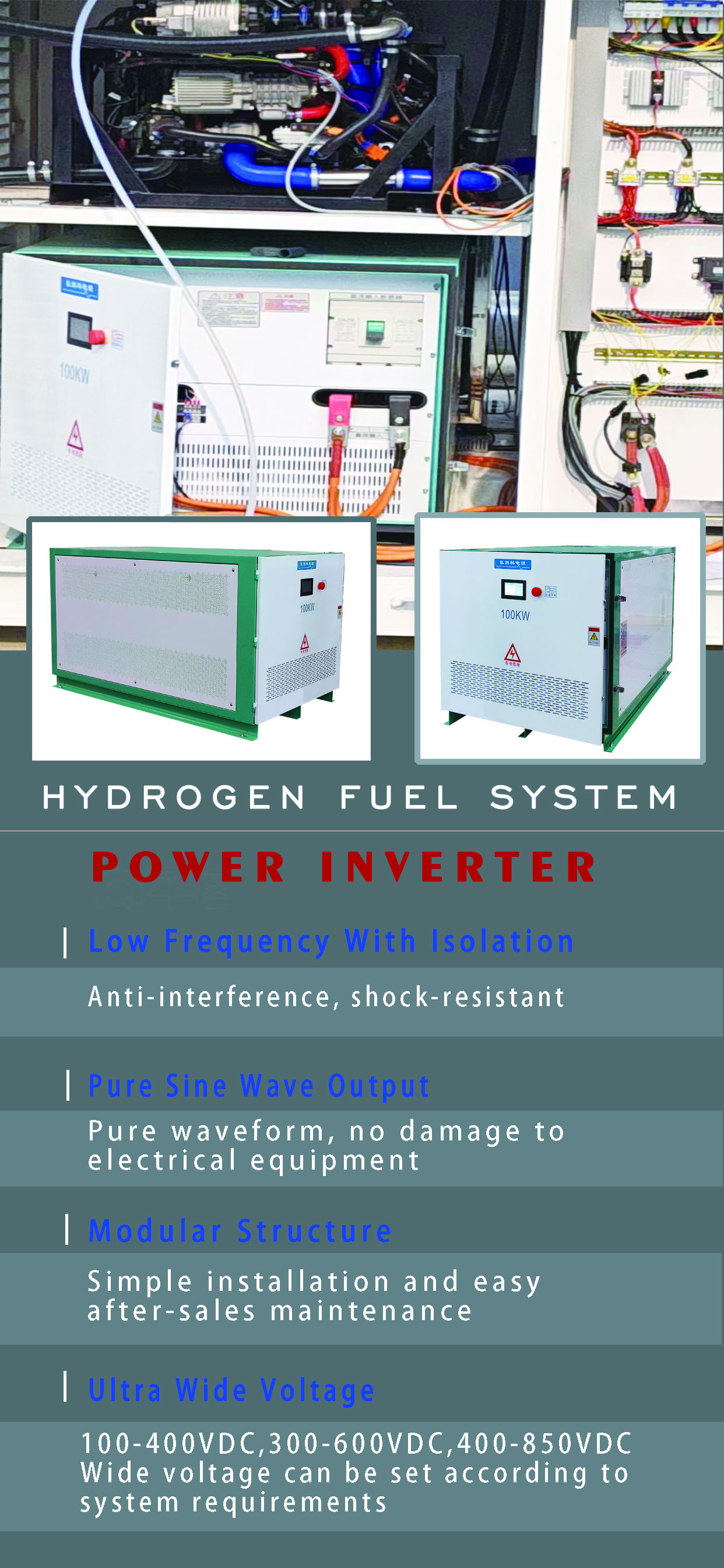
Top Manufacturing Facilities Leading the Hydrogen Inverter Market
Hey there! The hydrogen inverter market is really changing fast right now, and it’s exciting to see some top-notch manufacturing companies leading the way. These guys aren’t just dabbling with tech; they're actually pushing the limits and setting some really high standards when it comes to quality and efficiency. You’ve probably heard of big names like Siemens and ABB — they’re using their wealth of experience in sustainable energy to really make an impact. Thanks to their cutting-edge production techniques and thorough testing processes, their hydrogen inverters can handle everything from home setups to massive industrial projects.
Now, if you’re in the market for a hydrogen inverter, it’s super important to choose manufacturers who are all about innovation and really care about customer support. Take some time to look into the company’s background and how they’re seen in the industry. Warranties and service options are definitely key factors too. Oh, and don’t forget to check for certifications that can back up the reliability and efficiency of their products — it’s a must!
Also, when you’re checking out different models, pay attention to the various features they offer. Some might come with awesome monitoring systems, while others could offer better connectivity options. Knowing these unique features can seriously help you figure out what’s best for your needs and how you plan to use it. And hey, think about the scalability of the system too so you can easily upgrade as new tech comes out!
Innovative Features to Look for in Modern Hydrogen Inverters
So, when you're on the hunt for modern hydrogen inverters, you really want to pay attention to the cool features that can boost both efficiency and how easy they are to use. A recent report from the International Renewable Energy Agency (IRENA) predicts that the global hydrogen market could hit a whopping $150 billion by 2030! Crazy, right? That means there’s gonna be a big demand for advanced tech that helps make this happen. One of the things you should definitely keep an eye on is the inverter's efficiency rate; ideally, you'd want it to be over 95%. The higher the efficiency, the less energy you lose during conversion, which is awesome because it means you get the most out of your hydrogen applications.
And don't overlook how well the inverter can work with renewable energy sources. IRENA's data points out that combining hydrogen systems with solar and wind power can really amp up their sustainability. Modern hydrogen inverters that come with smart integration features are super handy—they let you switch between power sources without a hitch and even help stabilize the grid. Plus, having advanced monitoring and diagnostic features can really help you keep tabs on performance metrics. This way, you can ensure that your hydrogen energy system stays reliable and lasts a long time. All these innovations are totally changing the game for the energy market, and the projections are telling us that hydrogen could make up as much as 24% of the global energy mix by 2050. Exciting stuff, isn’t it?
Regulatory Standards and Compliance for Exporting Hydrogen Inverters
When considering the export of hydrogen inverters, understanding regulatory standards and compliance is crucial for global buyers. The burgeoning low-carbon hydrogen market is increasingly influenced by stringent carbon intensity regulations, which aim to ensure that hydrogen production aligns with environmental sustainability goals. According to recent data, emissions from green hydrogen produced using 100% grid power can generate as much as 50 kgCO2e/kgH2. This benchmark underscores the significance of regulatory frameworks that govern emission thresholds to foster a competitive and responsible hydrogen economy.
Furthermore, compliance with these standards is essential not just for market acceptance but also for attracting investments. World Bank reports suggest that adherence to established carbon intensity regulations can significantly enhance the credibility of hydrogen projects on the international stage. For businesses looking to export hydrogen inverters, familiarity with these compliance parameters can facilitate smoother entry into various markets, ensuring that products meet the necessary legal and environmental requirements while also addressing consumer preference for sustainable energy solutions.
Enhancing Renewable Energy Efficiency: Insights from the Latest Industry Report on PV Water Pump Inverters with MPPT 400-800V
Renewable energy is gaining traction globally, and the latest industry report emphasizes the significant advancements in photovoltaic (PV) Water Pump Inverters equipped with Maximum Power Point Tracking (MPPT) technology, particularly in the voltage range of 400-800V. This innovative approach enhances the efficiency of PV pump systems, which fundamentally differ from traditional AC pump systems. Instead of relying on grid electricity, these systems harness solar energy directly, converting it to electrical energy through solar cells. This creates a sustainable and cost-effective solution for water extraction from various sources such as deep wells, rivers, and lakes.
The PV pumping system is comprised of four integral components: the photovoltaic array, the Pv Pump Inverter, the three-phase AC pump, and a storage device. The latest figures indicate that such systems can increase water extraction efficiency by up to 30% compared to conventional electric pumps, thanks to the optimized energy utilization provided by MPPT technology. Moreover, with solar energy being a readily available resource, the implementation of PV pump systems not only reduces operational costs but also promotes environmental sustainability by lowering carbon emissions.
In regions where access to electricity is limited, PV pump systems have emerged as a vital solution. The report highlights that deploying Bangzhao PV pump systems can lead to a reduction in energy costs by up to 50%, making them an appealing choice for agricultural irrigation, drinking water supply, and other essential applications. As the industry progresses, the combination of advanced inverter technology and the inherent benefits of solar power presents a promising avenue for improving water management practices worldwide.
FAQS
: Companies like Siemens and ABB are among the top manufacturers leading the hydrogen inverter market, known for their experience in sustainable energy solutions.
Buyers should research the manufacturer’s history, reputation, warranties, service options, and the certifications that validate their product's reliability and efficiency.
Buyers should prioritize features such as high efficiency rates (over 95%), compatibility with renewable energy sources, smart integration capabilities, and advanced monitoring systems.
The global hydrogen market is projected to reach $150 billion by 2030, driving demand for advanced technology solutions like hydrogen inverters to support this growth.
Understanding regulatory standards is crucial as they ensure hydrogen production aligns with environmental goals, and compliance enhances market acceptance and investment attractiveness.
Stringent carbon intensity regulations influence the hydrogen market by ensuring that hydrogen production meets sustainability goals, thereby fostering a competitive and responsible hydrogen economy.
Integration with renewable sources like solar and wind power can enhance the sustainability of hydrogen systems and improve grid stability.
These features help users track performance metrics, ensuring the longevity and reliability of the hydrogen energy system.
Hydrogen is expected to account for up to 24% of the global energy mix by 2050, indicating its growing significance in the energy landscape.
Familiarity with compliance parameters facilitates smoother entry into various markets, ensuring that products meet necessary legal and environmental requirements while addressing consumer preferences for sustainable solutions.