





News
Marine Inverter Installations; What You Need to Know
Definition of a Marine Power Inverter
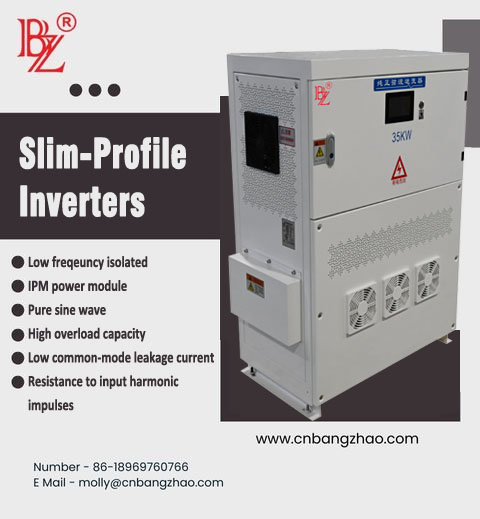
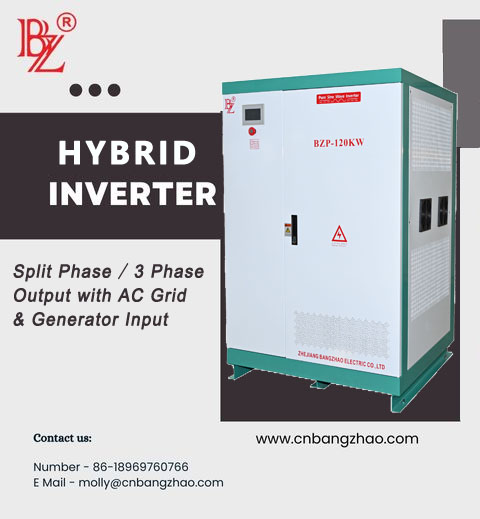
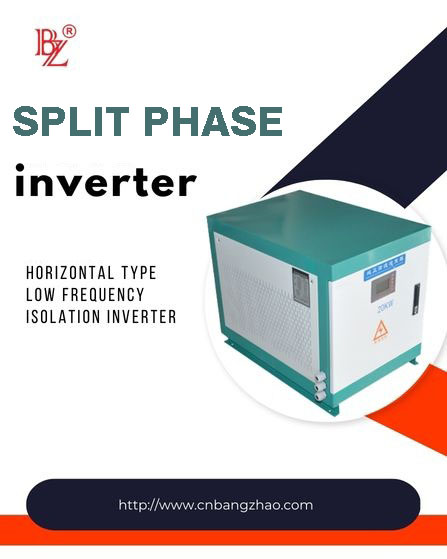
Marine Power Inverters are DC-to-AC inverters that can be installed on a boat.Marine power inverters convert the DC electrical power obtained from the boat's batteries (i.e., usually at 110V or 240V or 360~537V) to AC electrical power (usually at 110 volts or 240 volts or 380 volts) and can be used to operate standard household-type electrical appliances on board. Since marine power inverters are designed to withstand the environmental conditions of the sea (saltwater, high humidity), they are made from durable, corrosion-resistant material and have additional features that protect sensitive equipment from overloading, surges, or temperature changes.
Considerations for Installing Marine Power Inverters
A marine power inverter will not operate reliably or last long if it has been improperly installed. As you begin to build your installation, there are a few key points to keep in mind:
1. Selecting the Right Marine Power Inverter
The first thing you must do when purchasing a marine power inverter is to determine what your power needs will be. To assist you in narrowing down which inverter will suit your boat, consider the following questions: - What size inverter do I need? Look carefully at all devices that may draw power during use together to establish their total power consumption. - Are you going to need a Marine Inverter Charger? If charging batteries on board is part of your operation, a combination inverter/charger may be the best solution. - Will a modified sine wave output or a pure sine wave output be ordered? The pure sine wave outputs provide superior performance upon its use on sensitive electronic devices, while the modified output provides acceptable levels of performance for devices requiring less complexity (tools, lights).
2. Choose an Adequate Location for Installation
Find an appropriate area that has adequate ventilation. Avoid areas on the boat where water, fuel vapors, or vibrations could damage the ability of the inverter to operate effectively. An inverter can fail if excessive heat occurs due to lack of airflow through and around the unit, therefore providing adequate airflow will minimize this risk.
3. Cables and Connectors
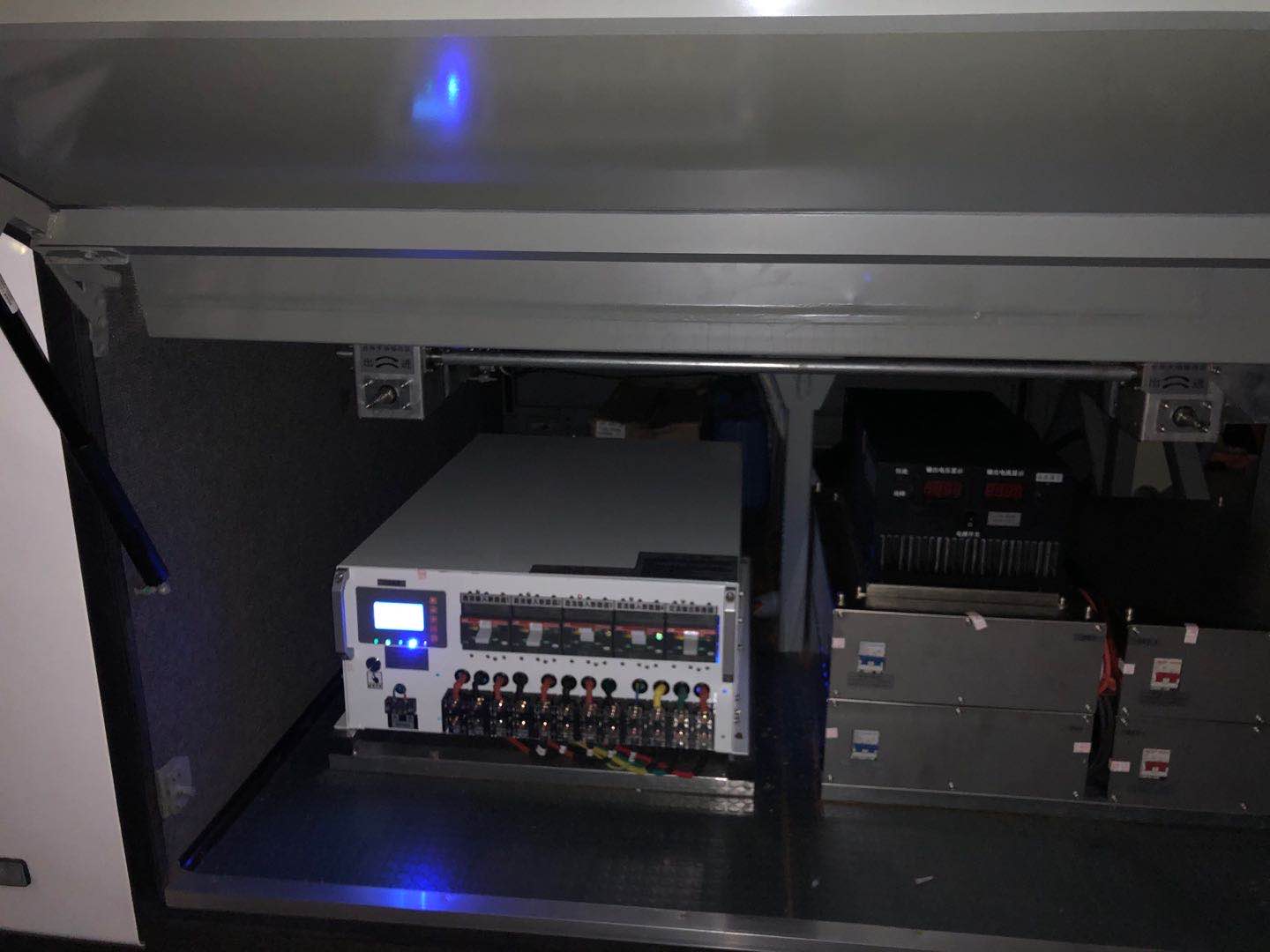
When installing your marine-grade power inverter, use heavy-duty power cables or others rated as large enough to carry the current supplied by your battery. Proper selection of the cables greatly reduces the potential for overheating and/or voltage drops. You need to have a reliable connection to ensure that the inverter receives a voltage that is between 48 and 950 volts from the battery bank. There should be a fuse or circuit breaker installed in the line from the battery bank to the inverter to help protect against overcurrent.
4. Grounding
Grounding is essential to system safety and federal maritime law compliance. Poor grounding may create shorts or create an electrical leakage through the hull of a boat, which may be especially hazardous when operating a boat with a metal hull.
5. Testing Your Installation
After you have completed the installation, to be safe, you should test your new electrical system by ensuring that all of the appliances you are planning on using work correctly and watch for any signs of possible overload, overheating, or unusual operation.
What Is A Good Marine Inverter For Long-Term Use?
A quality marine inverter for long-term use should have: - The ability to handle the power load you have. - High efficiency. - Durable marine-grade materials. There are two types of inverters recommended: Pure Sine Wave Inverters and modified sine wave inverters. If you desire quieter operation from your sensitive electronics or devices, you should use pure sine wave inverters, while modified sine wave inverters provide an economical alternative for running basic appliances like tools and lights. Inverters produced by companies such as Xantrex, Victron, and Magnum all have a proven track record of reliability.
Pure Sine Wave Inverters vs Modified Sine Wave Inverters
Pure sine wave inverters produce a waveform whose output resembles that found at the AC utility grid level of the electrical system. These inverters provide proper power and current to run sensitive electronic appliances such as computers, high-definition TVs, and medical equipment. Modified sine wave inverters provide an economical alternative to pure sine wave inverters by supplying adequate power to tools, lights, and small appliances, though they can produce more noise and heat in certain electronic devices. For most boaters, pure sine wave inverters are the best choice because their output is smoother and more consistent; however, they typically cost more than modified sine wave inverters.
Maintaining Your Marine Inverter
It is essential to perform routine maintenance on your marine power inverter so that it continues working efficiently:
1. Check all connections on a regular basis for signs of corrosion and wear.
2. Wipe off dust and dirt with a dry towel regularly.
3. Allow sufficient airflow through the inverter to prevent it from overheating.
4. Run periodic tests of the entire system to ensure proper operation.
Frequently Asked Questions
What is a Marine Inverter?
Marine inverters convert the DC voltage from the 48-950 volts available from a boat's batteries to provide power to equipment on the boat. Unlike standard inverters, marine inverters are made to operate in the harsher environment of the marine industry, providing safer and more rugged designs than standard inverters.
Which Type of Marine Inverter Should You Buy?
If you will be installing sensitive electronics on your boat, your safest choice would be to purchase a pure sine wave marine inverter. On the other hand, if you plan on using a modified sine wave inverter, it will provide an economical alternative for running basic appliances.
Which Type of Marine Inverter Should You Use for Long-Term Use?
Quality and efficiency are hallmarks of good long-term marine inverter manufacturers. Victron Energy or Magnum Energy are both excellent choices for long-term use marine inverters. Look for a unit that meets the necessary safety requirements and comes with a solid warranty.
Summary
In order to have dependable and efficient marine power inverters that maximize your comfort and safety while on the water, you must take every possible step to ensure that you select, install, and maintain your power inverter correctly. You also need to know what kind of power you need based on the type of vessel—whether you will be outfitting a weekend cruiser or a long-range yacht—so that you can make a decision about which type of inverter best suits your needs. By planning carefully and using a qualified installer, your marine power inverter will add to your enjoyment of being on the water for many years to come.